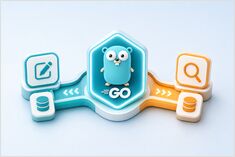
Implementing CQRS in Go: A Practical Guide to Scalable Architecture
Build CQRS in Go without needless ceremony
CQRS is one of those patterns that gets oversold, overcomplicated, and occasionally misdiagnosed as a cure for plain old CRUD boredom.
Build CQRS in Go without needless ceremony
CQRS is one of those patterns that gets oversold, overcomplicated, and occasionally misdiagnosed as a cure for plain old CRUD boredom.
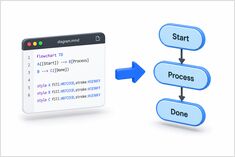
Diagrams as code, without the drama.
Mermaid is a text-based diagramming tool for people who would rather write diagrams than drag boxes around a canvas.
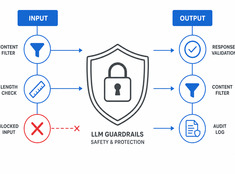
Control the risk, not just the model.
LLMs are unpredictable. They hallucinate, leak data, generate harmful content, or refuse legitimate requests. Guardrails constrain model behavior without sacrificing capability.
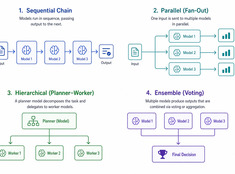
Pick the simplest pattern that works.
Single-model systems are simple. Multi-model systems are powerful. The challenge isn’t choosing models — it’s designing the architecture that orchestrates them.
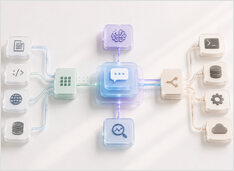
How serious assistants are actually built.
A production AI assistant is not “an LLM with a prompt”. It is a system that accepts intent, keeps state, decides when to retrieve or act, and exposes enough runtime detail to debug failures.
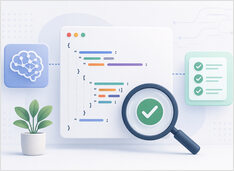
Stop parsing vibes. Validate contracts.
Most LLM “structured output” tutorials are unserious. They teach you to ask for JSON politely and then hope the model behaves. That is not validation. That is optimism with braces.
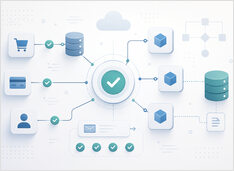
Stop duplicate side effects
Idempotency in distributed systems is the property that saves you after the network lies, the queue retries, the client panics, and the operator hits replay. In production systems, duplicate delivery is normal. Duplicate side effects are the bug.

Build Claude Skills that survive real work
Most teams misuse Claude Skills in one of two ways. They either turn SKILL.md into a dumping ground, or they never graduate from giant copy-pasted prompts.

The skills worth keeping, and the ones to skip
OpenClaw has two extension stories, and they are easy to mix up.
Plugins extend the runtime. Skills extend the agent’s behavior.

Plugins first. Skills naming in brief.
This article is about OpenClaw plugins — native gateway packages that add channels, model providers, tools, speech, memory, media, web search, and other runtime surfaces.
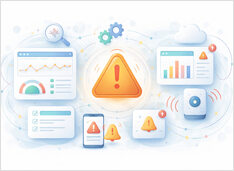
Alerting is a response system, not a noise system
Alerting gets described as a monitoring feature far too often. That framing is convenient, but it hides the real problem.
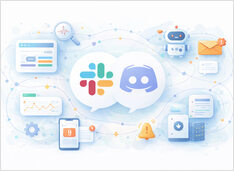
Chat platforms as control planes for systems
Chat platforms have evolved far beyond messaging tools. In modern systems they operate as interfaces between automated processes and human decision making.
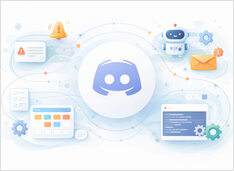
Turn Discord into a safe, interactive alert bus.
Discord becomes a serious integration surface when you treat it like one: a place where systems publish events, humans make decisions, and automation continues the workflow.
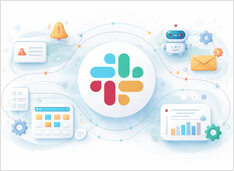
Slack is a workflow UI and alert delivery layer.
Slack integrations look deceptively easy because you can post a message in one HTTP call. The interesting part starts when you want Slack to be interactive and reliable.

Patterns for integrations, code structure, and data access.
Most app architecture advice is either too abstract to apply or too narrow to scale. Here are practical trade-offs for production systems across integration, code structure, and data access.

Agentic coding, now with local model backends.
Claude Code is not autocomplete with better marketing. It is an agentic coding tool: it reads your codebase, edits files, runs commands, and integrates with your development tools.