

Modern Alerting Systems Design for Observability Teams
Alerting is a response system, not a noise system
Alerting gets described as a monitoring feature far too often. That framing is convenient, but it hides the real problem.
Alerting is a response system, not a noise system
Alerting gets described as a monitoring feature far too often. That framing is convenient, but it hides the real problem.

Chat platforms as control planes for systems
Chat platforms have evolved far beyond messaging tools. In modern systems they operate as interfaces between automated processes and human decision making.

Turn Discord into a safe, interactive alert bus.
Discord becomes a serious integration surface when you treat it like one: a place where systems publish events, humans make decisions, and automation continues the workflow.
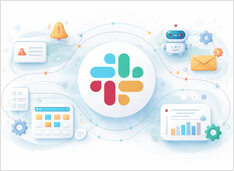
Slack is a workflow UI and alert delivery layer.
Slack integrations look deceptively easy because you can post a message in one HTTP call. The interesting part starts when you want Slack to be interactive and reliable.

Patterns for integrations, code structure, and data access.
Most app architecture advice is either too abstract to apply or too narrow to scale. Here are practical trade-offs for production systems across integration, code structure, and data access.

Agentic coding, now with local model backends.
Claude Code is not autocomplete with better marketing. It is an agentic coding tool: it reads your codebase, edits files, runs commands, and integrates with your development tools.
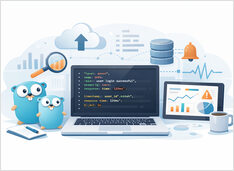
Queryable JSON logs that connect to traces.
Logs are a debugging interface you can still use when the system is on fire. The problem is that plain text logs age poorly: as soon as you need filtering, aggregation, and alerting, you start parsing sentences.
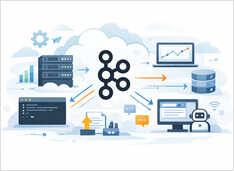
Install Kafka 4.2 and stream events in minutes.
Apache Kafka 4.2.0 is the current supported release line, and it’s the best baseline for a modern Quickstart because Kafka 4.x is fully ZooKeeper-free and built around KRaft by default.

What actually happens when you run Ultrawork.
Oh My Opencode promises a “virtual AI dev team” — Sisyphus orchestrating specialists, tasks running in parallel, and the magic ultrawork keyword activating all of it.
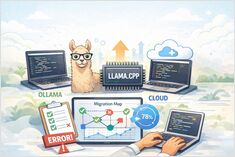
OpenCode LLM test — coding and accuracy stats
I have tested how OpenCode works with several locally hosted on Ollama and llama.cpp LLMs, and for comparison added some Free models from OpenCode Zen.

Meet Sisyphus and its specialist agent crew.
The biggest capability jump in OpenCode comes from specialised agents: deliberate separation of orchestration, planning, execution, and research.
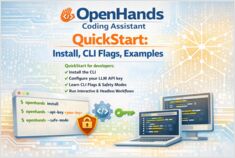
OpenHands CLI QuickStart in minutes
OpenHands is an open-source, model-agnostic platform for AI-driven software development agents. It lets an agent behave more like a coding partner than a simple autocomplete tool.
Install Oh My Opencode and ship faster.
Oh My Opencode turns OpenCode into a multi-agent coding harness: an orchestrator delegates work to specialist agents that run in parallel.
Artificial Intelligence is reshaping how software is written, reviewed, deployed, and maintained. From AI coding assistants to GitOps automation and DevOps workflows, developers now rely on AI-powered tools across the entire software lifecycle.
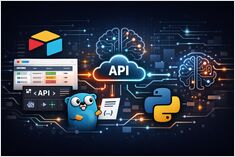
Airtable - Free plan limits, API, webhooks, Go & Python.
Airtable is best thought of as a low‑code application platform built around a collaborative “database-like” spreadsheet UI - excellent for rapidly creating operational tooling (internal trackers, lightweight CRMs, content pipelines, AI evaluation queues) where non-developers need a friendly interface, but developers also need an API surface for automation and integration.
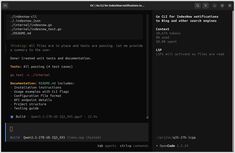
How to Install, Configure, and Use the OpenCode
OpenCode is an open source AI coding agent you can run in the terminal (TUI + CLI) with optional desktop and IDE surfaces. This is the OpenCode Quickstart: install, verify, connect a model/provider, and run real workflows (CLI + API).