
Compute Hardware in 2026: GPUs, CPUs, Memory & AI Workstations
Compute infrastructure shapes what is possible.
From GPU pricing volatility to CPU reliability issues and AI workstation decisions, hardware determines:
- What workloads you can run
- How much they cost
- How stable they are
- How they scale
This section covers compute hardware from both economic and engineering perspectives.
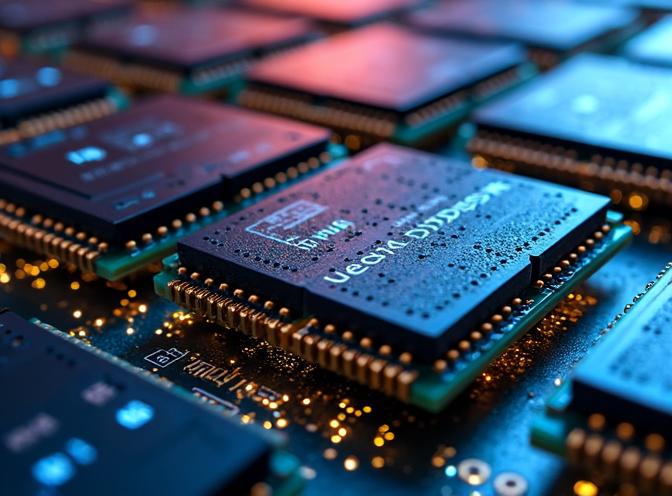
AI-Focused Hardware
AI workloads introduce unique hardware constraints:
- VRAM limits
- PCIe bandwidth
- Power and thermals
- Workstation vs server trade-offs
Consumer Hardware for AI
NVIDIA DGX Spark
GPUs
GPUs are the backbone of modern AI workloads and high-performance compute.
GPU Comparisons
GPU Pricing Trends
- RTX 5090 in Australia March 2026 Pricing Stock Reality
- NVIDIA RTX 5080 & 5090 Prices in Australia
- RTX 5080 & 5090 Prices — July 2025
- RTX 5080 & 5090 Prices — October 2025
- RTX 5080 & 5090 Prices — November 2025
Memory (RAM)
Memory pricing and availability directly impact workstation and server builds.
- RAM Price in Australia — December 2025
- RAM Price Increase Analysis
- RAM and GPU Price Increase Trends
CPUs
CPU reliability and architecture still matter for many workloads.
Why Hardware Analysis Matters
Hardware decisions are not just technical — they are economic.
They influence:
- Total cost of ownership
- Infrastructure longevity
- Upgrade cycles
- Risk exposure
Understanding hardware markets and architectural constraints allows you to design systems deliberately rather than reactively.
Final Thoughts
Compute hardware is the foundation.
Whether you are building AI systems, developer infrastructure, or general-purpose compute environments, informed hardware decisions reduce cost and increase stability.
Infrastructure strategy begins with hardware awareness.
